
Your referral. Their freedom from OACs.
For your patients with non-valvular AFib, managing stroke risk often means lifelong oral anticoagulants (OACs). But what if there was an alternative? The WATCHMAN™ Left Atrial Appendage Closure (LAAC) Implant is a minimally invasive, one-time procedure designed to protect AFib patients from the risk of stroke for the rest of their lives—without the bleeding risks associated with long-term OACs.
Your referral can make a difference, for a lifetime.


Proven1
10 years
FDA approved
20+
years clinical experience

Safe2
99%
implant success rate*
0.5%
major adverse event rate†

Effective2
96.2%
of patients discontinued OACs at 45 days
Which of your AFib patients may benefit from the WATCHMAN Implant?
The WATCHMAN Implant may be suitable for a broad range of non-valvular AFib (NVAF) patients. See examples of different types of patients who may be appropriate WATCHMAN Implant candidates.
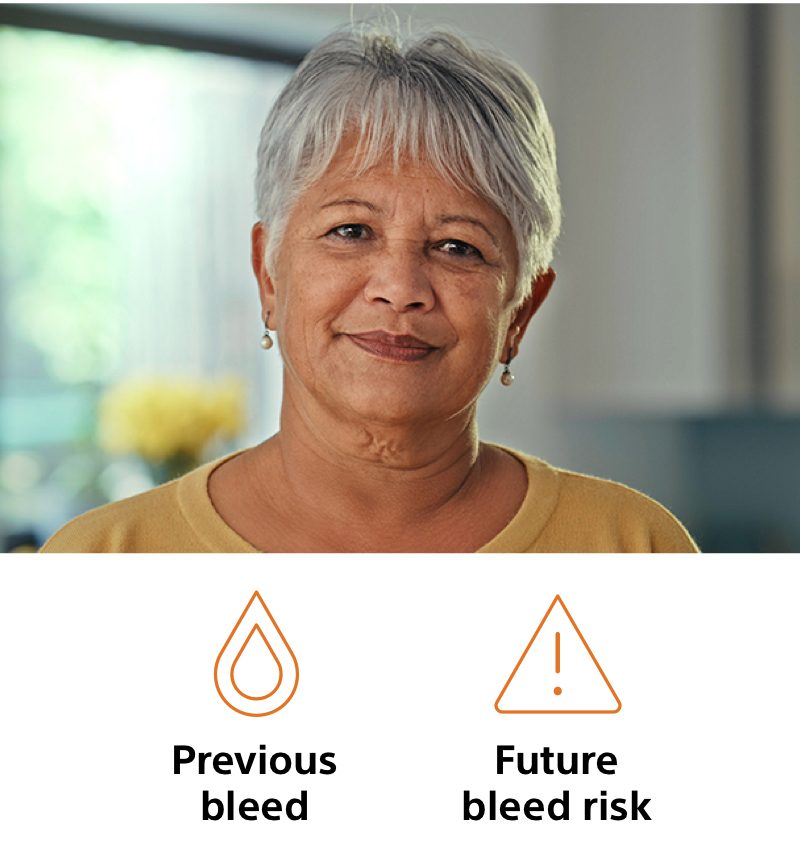
Example 1: Previous major bleeding
Patient is at risk for stroke and has had a previous major bleeding event.
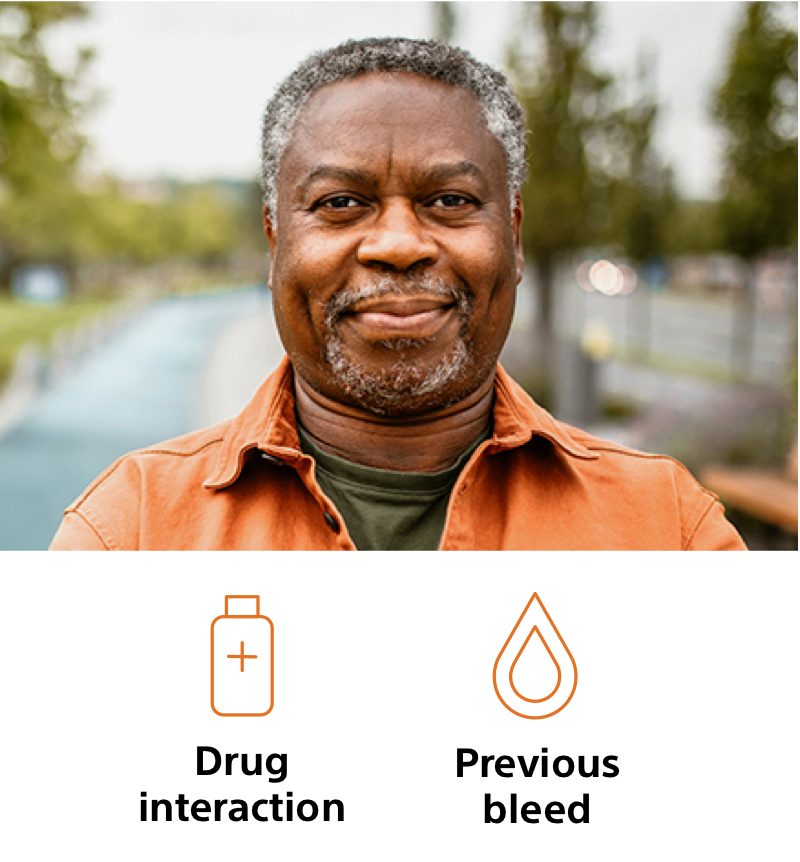
Example 2: Cannot tolerate long-term OACs
Patient has a history of minor bleeding and comorbidities that may not be compatible with OACs.
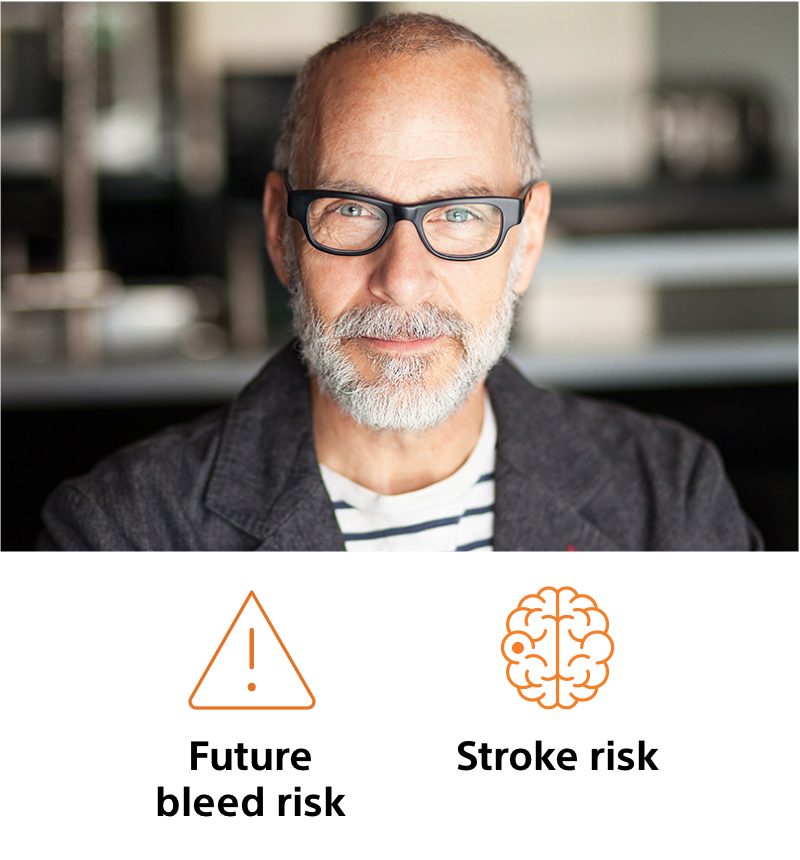
Example 3: High risk of future bleed
Patient has history of frequent falls and low time in therapeutic range.
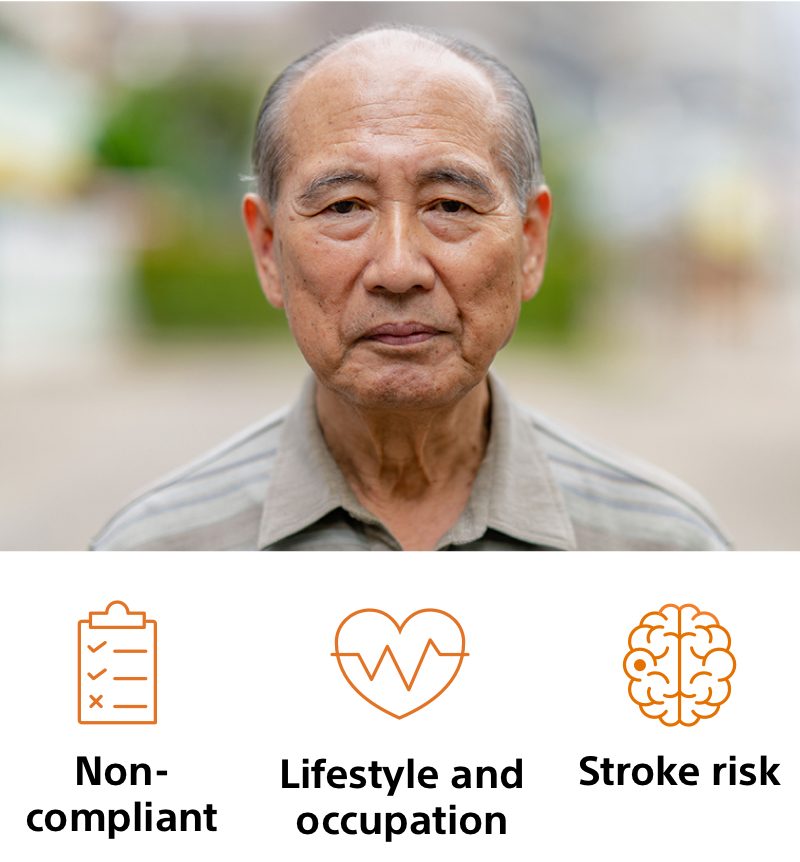
Example 4: Non-compliance
Patient is at risk for stroke but declines OACs.
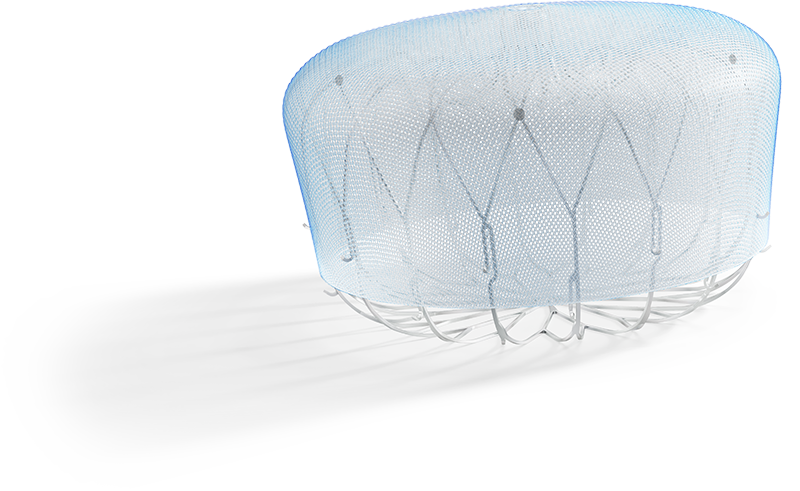
Over 600,000 AFib patients have left OACS behind with the WATCHMAN LAAC Implant.1
One referral. A lifetime of protection.
Protection against stroke risk. Protection against OAC bleed risk. Your referral really can make a difference—and it all starts here, with tools and resources designed to help streamline your workflow.

IDENTIFY
Identify patients who may be a candidate for WATCHMAN
Here is a quick and easy checklist to help you get started.

EDUCATE
Educate patients about alternatives to OACs
Share the benefits of living OAC-free for the rest of their lives.

REFER
Refer patients for a WATCHMAN consultation
Find a list of qualified WATCHMAN Implant centers in your area.
One Time. For a Lifetime.
*Procedure success defined as successful delivery and release of a WATCHMAN FLX Device into the LAA.
†Occurrence of one of the following events between the time of implant and within 7 days following the procedure or by hospital discharge, whichever is later: all-cause death, ischemic stroke, systemic embolism, or device or procedure related events requiring open cardiac surgery or major endovascular intervention.
References:
1. Represents all WATCHMAN models.
2. Kar, S., et al, Primary Outcome Evaluation of the Next Generation LAAC Device: Results from the PINNACLE FLX Trial, Circulation, 2021.