
AFib is a prevelant and growing condition
In the U.S. alone, at least 10 million people have atrial fibrillation (AFib), and it's projected to reach over 12 million people by 20301. While AFib management typically begins with antiarrhythmic medications (AADs) and oral anticoagulants (OACs), some patients benefit from both the rhythm control provided by an AFib ablation, as well the freedom from long-term OACs provided by a left atrial appendage closure (LAAC) device.
A dual approach to patient care
Performing an AFib ablation with the FARAPULSE Pulsed Field Ablation (PFA) Platform and implanting a WATCHMAN LAAC Device in a single procedural setting — also known as the FARAWATCH approach — offers a comprehensive solution for addressing AFib progression, rhythm control, and stroke risk reduction. This concomitant procedure method not only enhances patient satisfaction by alleviating concerns associated with AFib but also allows patients to avoid multiple procedures and potentially discontinue OAC therapy earlier.
The role of ablation and LAAC treatment options
AFib ablation and LAAC can offer complementary roles in managing AFib for patients needing rhythm control and/or freedom from OACs.
AFib ablation
Cardiac ablation is a minimally invasive procedure that treats the areas inside the heart where irregular rhythms begin.
Left Atrial Appendage Closure
Left atrial appendage closure is a minimally invasive, one-time procedure designed to reduce the risk of strokes that originate in the LAA.
Boston Scientific provides two industry-leading solutions to help patients manage AFib symptoms and protect against stroke:
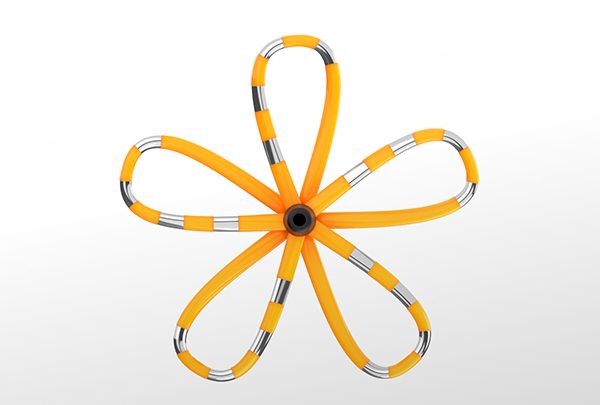
FARAPULSE™ Pulsed Field Ablation System
The world's clinical leader in Pulsed Field Ablation (PFA), FARAPULSE PFA targets the source of irregular heartbeats, helping to restore a normal rhythm and reduce AFib symptoms.
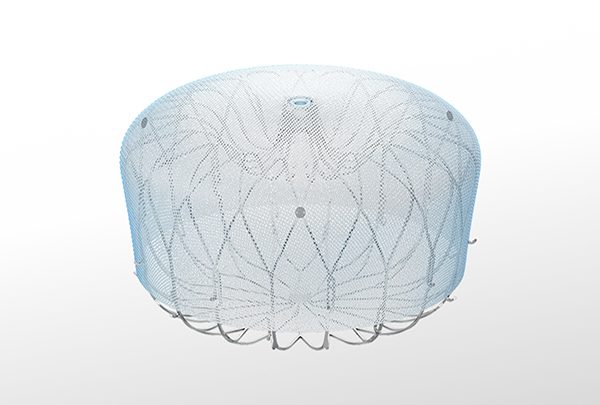
The WATCHMAN Implant
With over 20 years clinical evidence and over 600K patients treated, WATCHMAN delivers a lifetime of stroke protection, without the bleeding risks associated with long-term OAC therapy.
Clinical evidence supports combined procedure options
Results of the OPTION Clinical Trial² (the first randomized, head-to-head study comparing the WATCHMAN device to OAC (95% DOACs) after cardiac ablation*), demonstrated that concomitant LAAC with WATCHMAN FLX™ at the time of ablation resulted in similar procedure related events compared to the ablation-only control arm. This shows no increase in procedural risk with the addition of the WATCHMAN FLX procedure following an ablation.
Ablation + WATCHMAN FLX
Procedural event rate (within 7 days)
Ablation (Only) + OAC
Procedural event rate (within 7 days)
Treatment pathways for comprehensive AFib management
Implanting physicians may suggest one of three procedure options for suitable AFib patients, depending on their eligibility for an AFib ablation or LAAC and the physician's discretion. Ensure your patients are informed about potential procedure options before their AFib consultation.
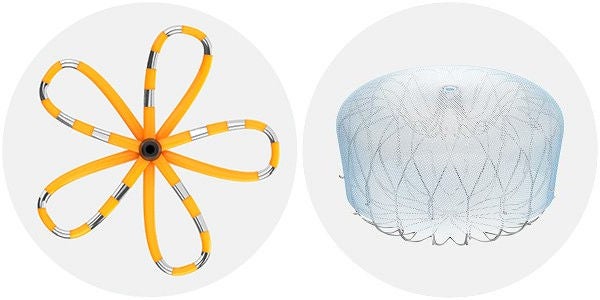 Permanent implant
Standalone
An AFib ablation or WATCHMAN device is implanted in a single procedure.
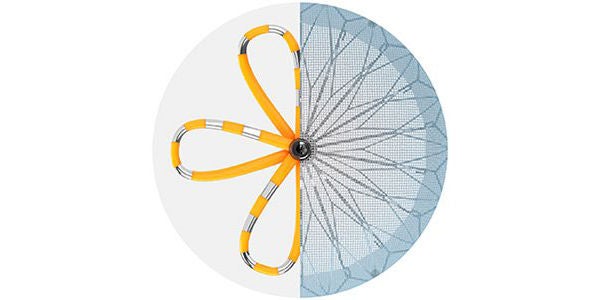 Minimally invasive
Concomitant
An AFib ablation is performed, and a WATCHMAN device is implanted in a single procedural setting.
 1 day or less average hospital stay
Sequential
An AFib ablation is performed, and a WATCHMAN device is implanted in a later procedure.†
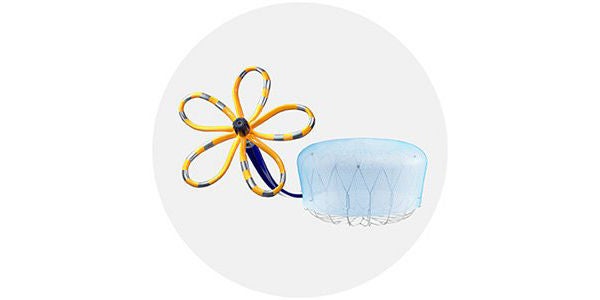
Note: The FARAPULSE PFA Catheter is pictured as representative example for AFib ablation, though any modality may be used.
Understanding the benefits of a combined procedure
See WATCHMAN clinical evidence
See FARAPULSE clinical evidence
†In the OPTION trial, sequential LAAC was a minimum of 90 days (as a protocol-driven blanking period) and less than 6 months post-AF ablation.
*Thermal AFib ablation only.
References
- Benjamin, EJ et al., Heart Disease and Stroke Statistics—2018 Update: A Report From the American Heart Association. Circulation. 2018. https://doi.org/10.1161/CIR.000000000000055
- Saliba W, Nair D, et al.. Comparison of left atrial appendage closure and oral anti-coagulation after catheter ablation for atrial fibrillation: Concomitant and sequential cohorts of the OPTION randomized controlled trial. Heart Rhythm. 2025 Oct;22(10):2585-2594. doi: 10.1016/j.hrthm.2025.04.029.