Looking for an LAAC specialised centre? Find a centre near you
Skip to main content
A doctor looks over papers showing the evidence for WATCHMAN LAAC in his office.

WATCHMAN™ LAA Closure Implant

The evidence for Left Atrial Appendage Closure

Explore the clinical and real-world evidence that makes WATCHMAN™ the LAA Closure device of choice for cardiologists.

Put your confidence in the most studied LAAC device in the world to minimise stroke risk


With over 20 years of LAA Closure innovation and experience, the WATCHMAN™ Implant has helped over 600.000 patients5 worldwide move away from OAC treatment. This device is specifically designed for the LAAC procedure to provide proven, safe and effective long-term outcomes.

Checkmark icon in a circle.

Proven

99%

Patients successfully implanted (395/400)*6

Icon of a hand holding a heart.

Safe

0,5%

major adverse event rate†6

Icon of a wheel that turns efficiently.

Effective

100%

Effective LAA Closure6

Proven patient outcomes

Hear from cardiologists from all over the world as they discuss the efficacy and clinical outcomes of the WATCHMAN™ Implant and why they consider it a valid option compared to NOACs for AFib patients.

Key clinical trials exploring the role of WATCHMAN™ in LAAC

OPTION Trial: primary endpoints met

Demonstrated that LAAC with the WATCHMAN FLX device is non-inferior to oral anticoagualtion in stroke protection and superior in safety vs oral anticoagulation following AF ablation in patients with non-valvular atrial fibrillation (NVAF)7

PINNACLE FLX Trial: established safety and efficacy

Established the safety and effectiveness of the WATCHMAN FLX™ Left Atrial Appendage Closure (LAAC) Device for patients with non-valvular AFib (NVAF) who are eligible for anti-coagulation therapy to reduce the risk of stroke.6

HEAL-LAA Trial: reaffirmed safety profile

The objective of the HEAL-LAA clinical study was to evaluate the safety and effectiveness of WATCHMAN™ FLX Pro in a commercial clinical setting.10

OPTION Trial 2024: WATCHMAN™ FLX was equally effective to OACs in stroke protection with a superior safety profile7

Positive Trial Outcomes

Listen as cardiologist Dr. Tadeo Diaz Balderrama discusses the positive results from the OPTION Clinical Trial and how the outcomes may impact referring practices

OPTION Trial overview

Filename
OPTION_Trial_One-Pager_Watchman.pdf
Size
300 KB
Format
application/pdf
Download the clinical one-pager

A medical chart with a person figure on it.

Patients #

1.600 (803 assigned to LAA and 797 assigned to OAC).7


People and a world.

Patient population

Patients with atrial fibrillation and elevated CHA₂DS₂-VASc scores (≥2 for men, ≥3 for women); mean age 69.6 years; 34.1% women; mean CHA₂DS₂-VASc score 3.5 ± 1.3.7


A location pin.

Location

United States, Australia, Belgium, Denmark, France, Germany, Italy, Netherlands, Poland and Spain.7


A check list with checkmarks and a pen.

Study goal & design

Goal: Compare safety and efficacy of LAAC with WATCHMAN™ FLX vs. continued OAC after catheter ablation for atrial fibrillation.
Design: Randomized, controlled, open-label, international clinical trial; 1:1 randomization; follow-up at 3, 12, 24, and 36 months.
Primary Safety Endpoint: Non-procedure-related major or clinically relevant nonmajor bleeding.
Primary Efficacy Endpoint: Composite of death from any cause, stroke, or systemic embolism at 36 months.7


A checklist with one checkmark.

Key findings

  • Left atrial appendage closure reduced bleeding risk: 8.5% vs. 18.1% (P < 0.001, superiority).
  • Noninferior efficacy for death, stroke, or systemic embolism: 5.3% vs. 5.8% (P < 0.001, noninferiority).
  • Major bleeding (including procedure-related) was 3.9% vs. 5.0% (noninferior).
  • Device/procedure complications occurred in 23 patients.

Conclusion: Left atrial appendage closure offers a safe, effective alternative to oral anticoagulation after AF ablation.7


PINNACLE FLX IDE Trial 2021: LAAC is proven, safe and effective with WATCHMAN™ FLX6

Clinically proven safe outcomes

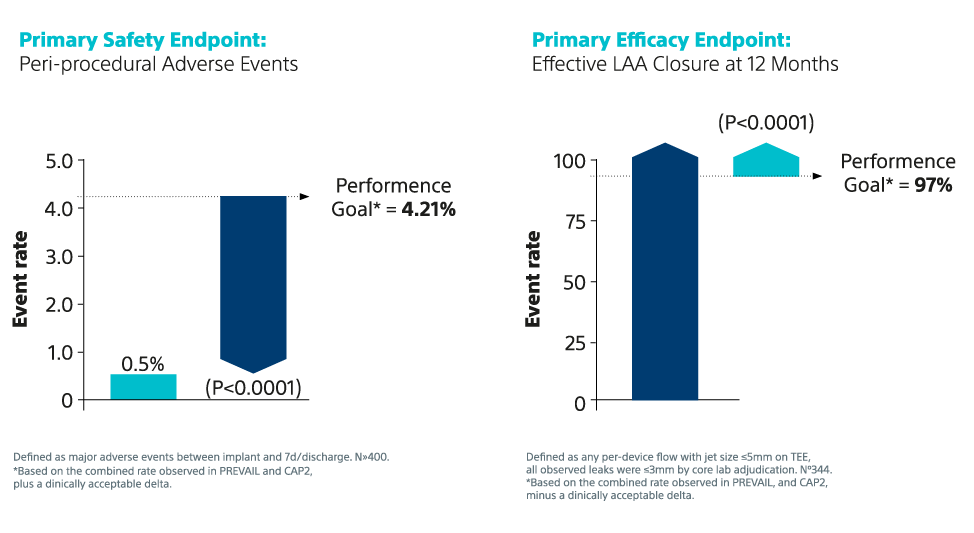
The WATCHMAN Implant, demonstrated an unmatched 0.5% major adverse event rate, 100% Effective LAA Closure, and a low 1.7% Annualized Ischemic Stroke or Systemic Embolism rate at 24 months.6,9

2 bar graphs showing statistical evidence of pinnacle flx primary endpoints.

PINNACLE FLX IDE Trial overview

Filename
Pinnacle_FLX_One-Pager_Watchman_L01_BSH260725.pdf
Size
344 KB
Format
application/pdf
Download the clinical one-pager

A medical chart with a person figure on it.

Patients #

400.6


People and a world.

Patient population

Adults with nonvalvular atrial fibrillation (NVAF) at high thromboembolic risk (mean age 73.8 ± 8.6 years, mean CHA₂DS₂-VASc score 4.2 ± 1.5, mean HAS-BLED score 2.0 ± 1.0). 35.5% were women, and most participants were White (94%).6


A location pin.

Location

United States.6


A check list with checkmarks and a pen.

Study goal & design

Goal: Evaluate the safety and efficacy of the WATCHMAN™ FLX left atrial appendage (LAA) closure device for stroke prevention in NVAF patients who seek a non-pharmacologic alternative to oral anticoagulation.
Design: Prospective, nonrandomized, multicentre U.S. trial sponsored by Boston Scientific.
Primary Safety Endpoint: Composite of death, ischemic stroke, systemic embolism, or major device/procedure-related events within 7 days post-procedure or by hospital discharge.
Primary Effectiveness Endpoint: Effective LAA closure (peri-device flow ≤ 5 mm) at 12 months, assessed by core-lab echocardiography.6


A checklist with one checkmark.

Key findings

  • Primary Safety: Event rate = 0.5%, far below the 4.2% performance goal
    (P < 0.0001).
  • Primary Effectiveness: 100% successful LAA closure, exceeding the 97% target (P < 0.0001).
  • Device-related thrombus: 7 patients (1.8%), none leading to device embolization.
  • Pericardial effusion requiring drainage: 1.0% at 12 months.
  • Mortality (all-cause): 6.6% at 12 months; stroke: 2.6%.

Conclusion: The WATCHMAN FLX device achieved high procedural success (98.8%), minimal complications, and durable closure—establishing a new standard in LAA occlusion safety and performance.6


HEAL-LAA 2024 Study: Real-world post-market clinical study confirms safety and efficacy of WATCHMAN™ FLX Pro10

Consistent Complete Closure

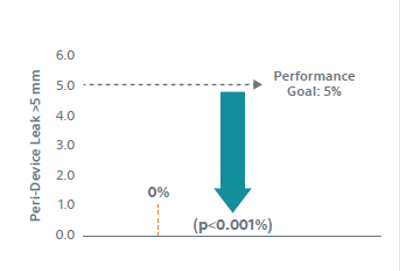
The primary efficacy endpoint in HEAL LAA was achieved as the rate of leak >5 mm was 0% at 45-days, significantly less than 5% performance goal (p<0.001), including 82.7% complete seal and only 0.2% >3 mm.10

A bar graph showing the statiscally relevance perfomance endpont of less than 5%.

HEAL LAA Post-Market Clinical Study Overview

Filename
HEAL-LAA_One-Pager_Watchman.pdf
Size
475 KB
Format
application/pdf
Download the clinical one-pager

A medical chart with a person figure on it.

Patients #

500 as per primary analysis set.10


People and a world.

Patient population

Older atrial fibrillation (AF) patients with higher bleeding risk compared to prior trials (mean age 76.1 ± 7.7 years, 38.8% female, CHA₂DS₂-VASc 4.3 ± 1.3, HAS-BLED 3.0 ± 1.0). 32.8% had prior major bleeding, and 63.4% had paroxysmal AF.10


A location pin.

Location

32 centres in the United States.10


A check list with checkmarks and a pen.

Study goal & design

Goal: Evaluate the safety and effectiveness of the next-generation WATCHMAN™ FLX Pro LAAC device in real-world use. 
Design: Prospective, multicentre, post-market clinical study.

Primary Safety Endpoint: Rate of peri-device leak >5 mm at 45 days (<5% performance goal).
Primary Effectiveness Endpoint: Composite rate of all-cause death, stroke, systemic embolism, and major bleeding at 6 months (<21% performance goal).10


A checklist with one checkmark.

Key findings

  • Efficacy: 0% of patients had leaks >5 mm at 45 days (p < 0.001), with 82.7% complete seal and only 0.2% minor (>3 mm) leaks.
  • Safety: Composite event rate 10.9% at 6 months, well below the 21% performance goal (p < 0.001).
  • Device-related Thrombus (DRT): Only 1.6% (7/448) at 45 days; all were asymptomatic and considered signs of device healing. No DRT-related adverse events through 6 months.
  • Procedural Success: 99.5% procedural success using the WATCHMAN TruSteer™ Access System, with an 86% reduction in abort rate vs. other access systems.

Conclusion: WATCHMAN FLX Pro achieved consistent closure, low complication rates, and controlled healing, establishing strong real-world validation for the new generation of LAA closure devices.10


Real-world evidence confirming the safety and efficacy of the WATCHMAN™ Implant

SURPASS real-world data: supports best-in-class safety profile

Designed to assess long-term safety and efficacy outcomes at one year with WATCHMAN™ FLX in a real-world, routine clinical setting.11

SURPASS Pro Early outcomes: reaffirming proven performance

Assessed the safety and effectiveness of the WATCHMAN™ FLX Pro in routine clinical practice.12

SURPASS Real-World Data 2024: WATCHMAN™ FLX Proves Safety and Effectiveness at Scale11

Consistent Procedural Success

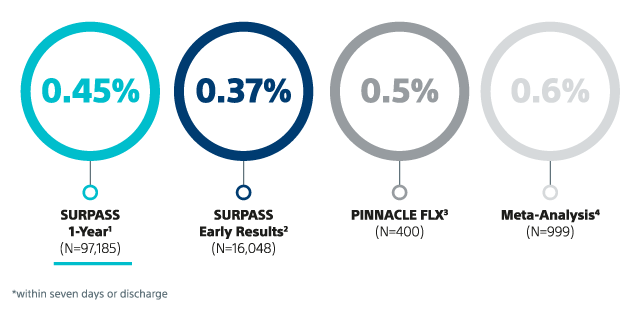
In the largest cohort of (97.185) patients with the WATCHMAN™ FLX device, the SURPASS RWD showcases 0.45% major procedural adverse event rate within seven days or hospital discharge. This further supports the unmatched safety profile observed in separate controlled and real-world analyses.11

A line graph showing consistent low adverse event rates in Watchman studies.

SURPASS Real-World Data Analysis Overview

Filename
SURPASS_Trial_One-Pager_Watchman.pdf
Size
208 KB
Format
application/pdf
Download the clinical one-pager

A medical chart with a person figure on it.

Patients #

97.185 between August 2020 and September 2022.11


People and a world.

Patient population

Real-world, high-risk NVAF patients (mean age 76.2 ± 7.9 years, CHA₂DS₂-VASc 4.8 ± 1.5, HAS-BLED 2.4 ± 1.0, 41% women, 57.7% with prior clinically relevant bleeding).11


A location pin.

Location

United States based on NCDR LAAO Registery™.11


A check list with checkmarks and a pen.

Study goal & design

Goal: Evaluate long-term safety and efficacy outcomes of the WATCHMAN FLX™ device in routine, real-world practice.
Design: Observational analysis of the NCDR LAAO Registry™ with a 1-year follow-up.
Safety Endpoint: Composite of all-cause death, ischemic stroke, systemic embolism, or device/procedure-related events within 7 days or discharge (whichever is later).11


A checklist with one checkmark.

Key findings

  • Unmatched safety: 0.45% major procedural adverse event rate within 7 days/discharge—consistent with or better than previous trials (PINNACLE FLX: 0.5%).
  • Exceptional procedural success: 98% successful implantations across nearly all patient anatomies, mirroring clinical trial outcomes.
  • Low complication rate at 1yr: Comparable to PINNACLE FLX for death (8.2%), ischemic stroke (1.2%), major bleeding (6.4%)
  • Sustained efficacy: 1-year outcomes showed stroke rates of 1.5% (all stroke) and 1,2% (ischemic stroke), supporting durable protection from thromboembolic events.

Conclusion: The SURPASS real-world data confirm that WATCHMAN FLX™ delivers consistent safety, high implant success, and sustained stroke protection—even in a large, diverse, real-world patient population.11


SURPASS Pro Real-World Data 2025: Early results reaffirms proven results with WATCHMAN™ FLX Pro12

Proven safety outcomes

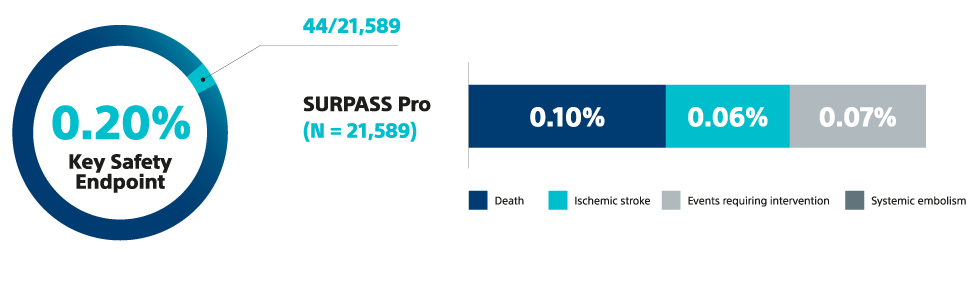
The WATCHMAN™ FLX Pro device continues to demonstrate the proven safety outcomes of the WATCHMAN™ FLX platform with a 0.20% key safety endpoint rate in a high-risk, all-comer patient population.12

A circle showing a 0,20% safety outcome for watchman flx pro.

SURPASS Pro Real-World Data Analysis Overview

Filename
SURPASS_PRO_One-Pager_Watchman.pdf
Size
276 KB
Format
application/pdf
Download the clinical one-pager

A medical chart with a person figure on it.

Patients #

21.589 between October 2023 and June 2024.12


People and a world.

Patient population

Real-world, high-risk NVAF patients (mean age 76,7 ± 7,7 years, CHA₂DS₂-VASc 4,6 ± 1.5, HAS-BLED 2,7 ± 1,1, 41% women, 19% prior stroke, 43,6% with prior clinically relevant bleeding).12


A location pin.

Location

United States based on NCDR LAAO Registery.12


A check list with checkmarks and a pen.

Study goal & design

Goal: Evaluate long-term safety and efficacy outcomes of the WATCHMAN FLX™ device in routine, real-world practice.
Design: Observational analysis of the NCDR LAAO Registry™ with a 1-year follow-up.
Safety Endpoint: Composite of all-cause death, ischemic stroke, systemic embolism, or device/procedure-related events within 7 days or discharge (whichever is later).12


A checklist with one checkmark.

Key findings

  • Unmatched safety: 0,20% major procedural adverse event rate within 7 days/discharge—consistent with or better than previous trials (PINNACLE FLX: 0.5%).
  • Exceptional procedural success: 97% successful implantations across nearly all patient anatomies, mirroring clinical trial outcomes.
  • Low complication rates: Comparable or lower than PINNACLE FLX for death (0.5%), stroke (0.2%), systemic embolism (0.01%), and pericardial effusion (0.4%).
  • Sustained efficacy: 1-year outcomes showed stroke rates of 0,2% (all stroke) and 0,1% (ischemic stroke), supporting durable protection from thromboembolic events.

Conclusion: The SURPASS real-world data confirm that WATCHMAN FLX™ delivers consistent safety, high implant success, and sustained stroke protection—even in a large, diverse, real-world patient population.11


Ongoing clinical trials for WATCHMAN™ in LAA Closure

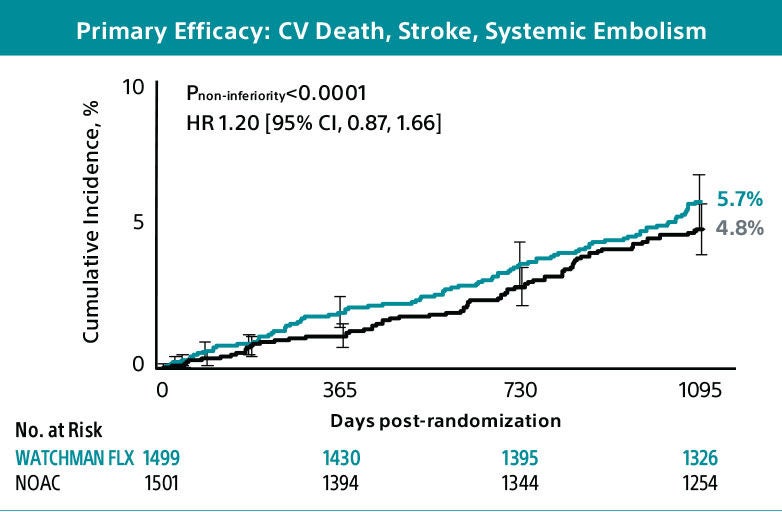
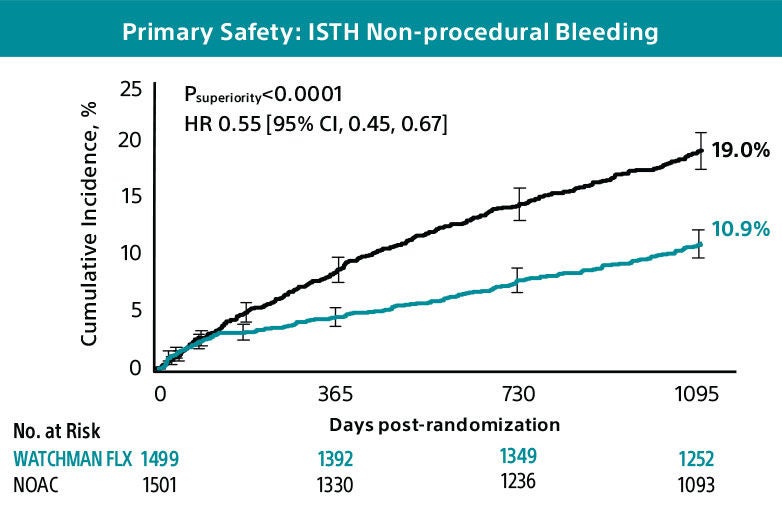
CHAMPION-AF Trial: 3-year primary endpoint expected early 2026

Will determine if LAAC with the WATCHMAN FLX device can be a safe and effective first-line option for stroke prevention compared with non-vitamin K anticoagulants (NOACs) in patients with non-valvular atrial fibrillation.13

SIMPLAAFY Trial:6-month primary endpoint expected 2026

Evaluates two monotherapy regimens as front-line alternatives to dual antiplatelet therapy (DAPT) following LAA closure with the WATCHMAN FLX™ Pro LAAC Device in patients with non-valvular atrial fibrillation.14

CHAMPION-AF Trial: 3-year primary endpoint results expected early 202613

Study objective and design

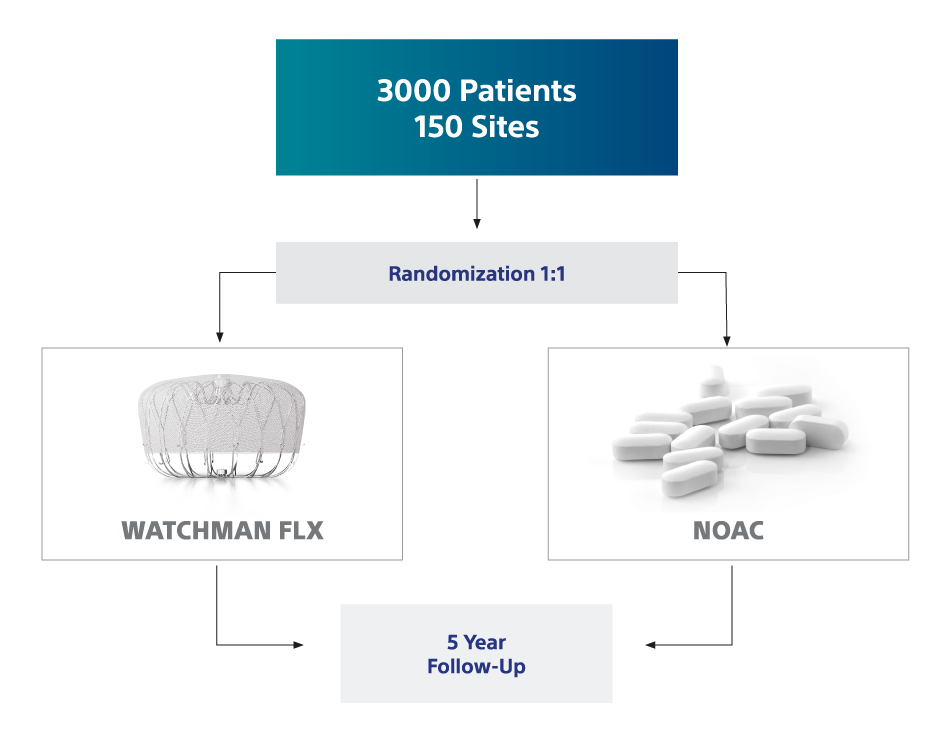
The primary objective of the CHAMPION AF trial is to demonstrate if left atrial closure with the WATCHMAN FLX device can be a safe & effective first line treatment option for stroke prevention compared with non-vitamin K oral anticoagulants (NOACs) in patients with non-valvular atrial fibrillation.13

A hierarchy chart showing the study design of CHAMPION-AF.

More information about CHAMPION-AF

Filename
CHAMPION_AF_One-Pager_Watchman_L01_BSH260425.pdf
Size
564 KB
Format
application/pdf
Download the clinical one-pager

A medical chart with a person figure on it.

Patients #

3.00013


People and a world.

Patient selection

Adults with documented non-valvular atrial fibrillation (NVAF), atrial fibrillation without moderate-to-severe mitral stenosis or mechanical heart valves, who can tolerate oral anticoagulation (OAC) and are not necessarily poor candidates for long-term OAC (CHA₂DS₂-VASc score ≥ 2 for men or ≥ 3 for women).13


A location pin.

Location

Australia, Belgium, Canada, Denmark, France, Germany, Israel, Italy, Japan, Netherlands, Poland, Saudi Arabia, Spain, Switzerland, United Kingdom, United States.


A check list with checkmarks and a pen.

Primary Endpoints

  • WATCHMAN™ FLX is non-inferior for the occurrence of stroke (including ischemic and/or hemorrhagic), cardiovascular (CV) death (including hemorrhagic and/or unexplained death), and systemic embolism at 36 months. 
  • WATCHMAN™ FLX is superior for non-procedural bleeding (ISTH major bleeding and clinically relevant non-major bleeding) at 36 months. 
  • WATCHMAN™ FLX is non-inferior for the occurrence of ischemic stroke and systemic embolism at 60 months.13

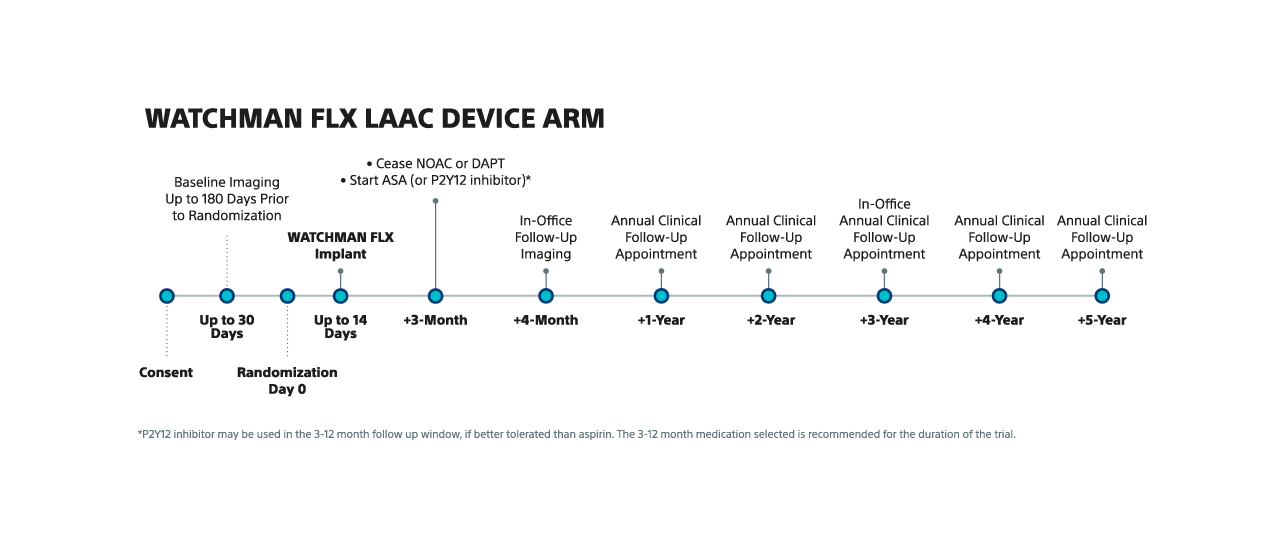
A timeline showing how the watchman flx arm is followed up during CHAMPION-AF.

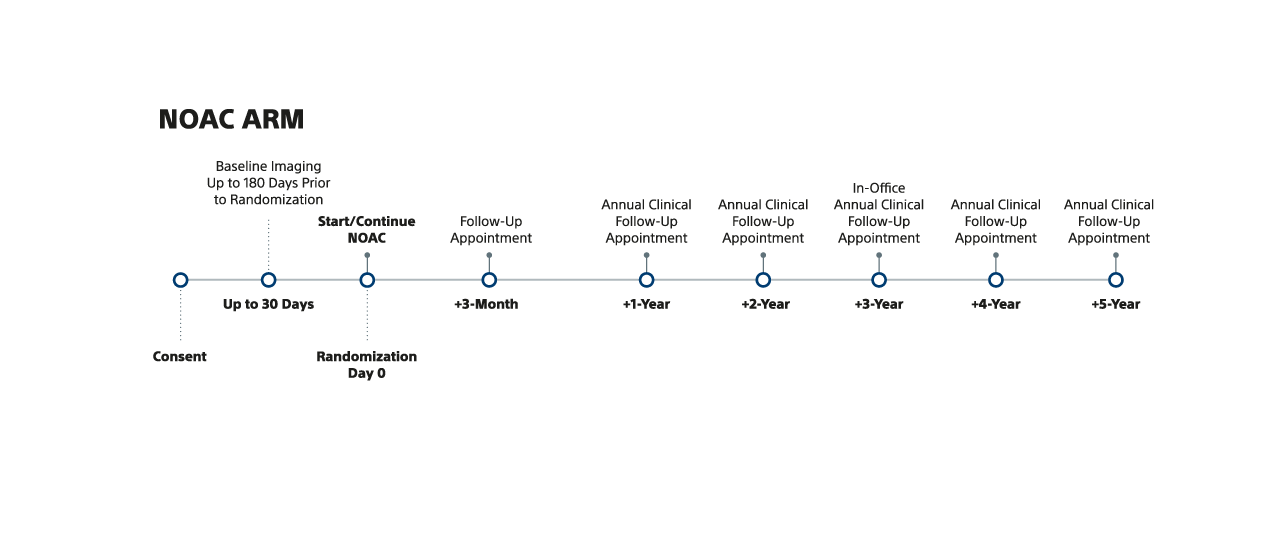
A timeline showing how the NOAC arm is followed up during CHAMPION-AF.

SIMPLAAFY 2026: 6-month primary endpoint results expected early 202614

Study objective and design

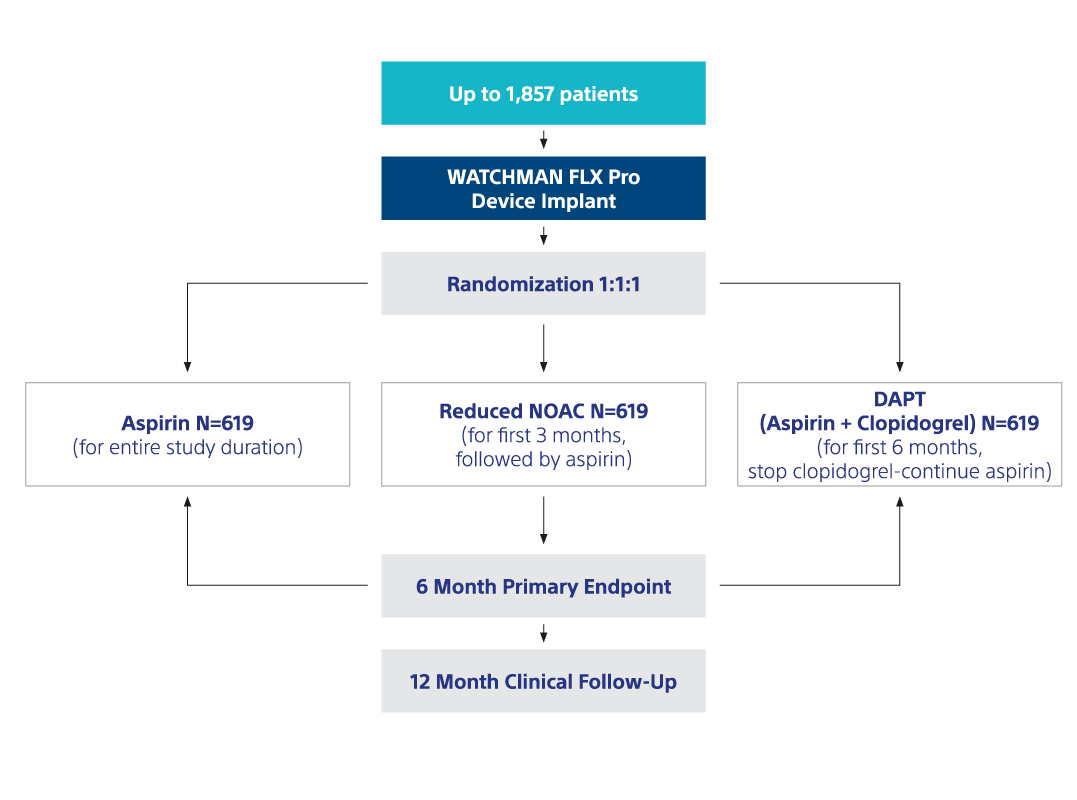
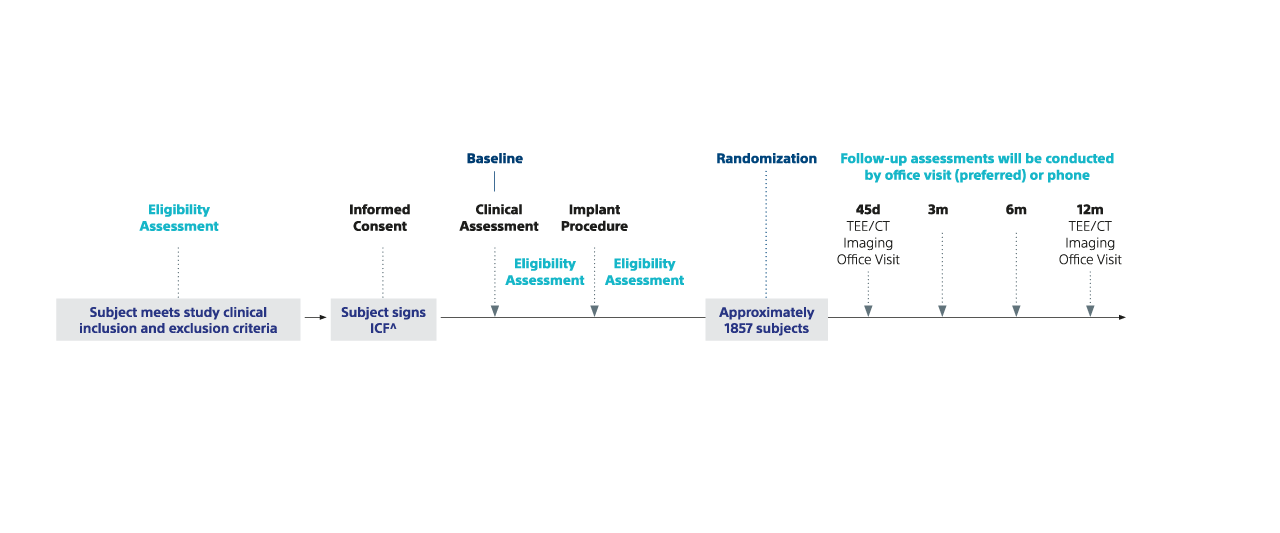
SIMPLAAFY is a randomized controlled trial that will evaluate two monotherapy regimens vs. DAPT after implant with the WATCHMAN™ FLX Pro Left Atrial Appendage Closure Device in patients with AF. SIMPLAAFY will assess whether a less intensive drug regimen may help mitigate post-implant bleeding risk and provide other viable options for post-implant treatment.14

A hierarchy chart showing the study design of SIMPLAAFY.

More information about SIMPLAAFY

Filename
Simplaafy-One_Pager_Watchman.pdf
Size
330 KB
Format
application/pdf
Download the clinical one-pager

A medical chart with a person figure on it.

Patients #

1.85714


People and a world.

Patient selection

Adults with non-valvular atrial fibrillation (NVAF) at increased stroke risk (CHA₂DS₂-VASc ≥ 2 for men, ≥ 3 for women) who are suitable for oral anticoagulation and seeking a non-pharmacologic alternative to long-term OAC.14


A location pin.

Location

United States. 14


A check list with checkmarks and a pen.

Primary Endpoints

  • Reduced dose NOAC Primary Endpoint: Composite rate of all death, all stroke, systemic embolism and major bleeding at 6-months after randomization
  • Aspirin Primary Endpoint: Composite rate of all death, all stroke, systemic embolism and major bleeding at 6-months after randomization 14

A timeline showing the SIMPLAAFY follow up.

References
1. Roth G.A., Mensah G.A., Johnson C.O., et al. Global burden of cardiovascular diseases and risk factors, 1990-2019: update from the GBD 2019 study. J Am Coll Cardiol. 2020;76(25):2982–3021. doi: 10.1016/j.jacc.2020.11.010.

2. World Stroke Organization & World Heart Federation. Understanding atrial fibrillation and stroke. https://www.world-stroke.org/assets/downloads/STROKE_RISK_AND_PREVENTION_LEAFLET_-_ATRIAL_FIBRILLATION-EN.pdf

3. Dudziñska-Szczerba K, et al. Association Between Left Atrial Appendage Morphology and Function and the Risk of Ischaemic Stroke in Patients with Atrial Fibrillation. Radcliffe Cardiology, 2022. https://pubmed.ncbi.nlm.nih.gov/35846423/

4. Data on file with Boston Scientific. Atrial Fibrillation Patients survey. The Harris Poll on behalf of Boston Scientific and StopAFib.org; 2018:1-64.

5. BSC data on file. 2025

6. Kar S, et al. Primary Outcome Evaluation of a Next-Generation Left Atrial Appendage Closure Device: Results From the PINNACLE FLX Trial. Circulation, 2021; 143(18): 1754-62. DOI: 10.1161/CIRCULATIONAHA.120.050117

7. Wazni OM, et al. Left Atrial Appendage Closure after Ablation for Atrial Fibrillation. N Eng J Med 2025; 392(13): 1277-87. DOI: 10.1056/NEJMoa2408308

8. Kanj M, et al. Safety and Performance of a Novel Access System for LAAO: A Sub-analysis of the HEAL-LAA Study. Moderated Abstract, TCT 2024.

9. Doshi SK, et al. Two‐Year Outcomes With a Next‐Generation Left Atrial Appendage Device: Final Results of the PINNACLE FLX Trial. JAHA 2023; 12(4). Epub: doi: 10.1161/JAHA.122.026295.

10. Alli O, et al. Primary Safety and Efficacy Endpoints of the HEAL-LAA Post-Approval Clinical Study. LAAO Innovations Session, TCT 2024.

11. Kapadia S.R., et al. Outcomes With the WATCHMAN FLX in Everyday Clinical Practice From the NCDR Left Atrial Appendage Occlusion Registry. SURPASS RWD. Circulation: Cardiovasc. Interv. 2024; 17(9): e013750. DOI: https://doi.org/10.1161/CIRCINTERVENTIONS.123.013750

12. Piccini J et al. Outcomes with WATCHMAN FLX Pro in Everyday Clinical Practice: Early Results from SURPASS Pro, HRS 2025.

13. Kar S., et al. Rationale and Design of a Randomized Study Comparing the Watchman FLX Device to DOACs in Patients with Atrial Fibrillation, American Heart Journal (2023), doi: https://doi.org/10.1016/j.ahj.2023.05.022

14. National Library of Medicine. SIMPLAAFY Clinical Trial (SIMPLAAFY). 2025-10-15. https://www.clinicaltrials.gov/study/NCT06521463?tab=history&a=17#version-content-panel

CAUTION:
The law restricts these devices to sale by or on the order of a physician. Indications, contraindications, warnings, and instructions for use can be found in the product labelling supplied with each device. Products shown for INFORMATION purposes only and may not be approved or for sale in certain countries. This material not intended for use in France.