Looking for an LAAC specialised centre? Find a centre near you
Skip to main content
A doctor explains the WATCHMAN implant procedure to an Afib patient.

About the WATCHMANTM  Implant

A minimally invasive, one-time procedure with an average hospital stay of one day or less

How the WATCHMANTM Implant works

In non-valvular atrial fibrillation (AFib), >90% of stroke-causing clots that come from the left atrium are formed in the left atrial appendage (LAA).¹

The WATCHMANᵀᴹ Implant is a minimally invasive, one-time procedure designed to reduce the risk of strokes that originate in the LAA.

An infinity loop in gradients with black.

Permanent implant

for lifetime protection

A clock showing the procedure takes approximately 1 hour.

Minimally invasive

the procedure last less than 1 hour

A calendar showing a number 1.

Short hospital stay

1 day or less

A one-time procedure that delivers a lifetime of stroke risk reduction, without oral anticoagulant (OAC) bleed risk.

Learn how the WATCHMANTM FLX Pro Implant works.

watchman flx pro


WATCHMANTM LAA Closure procedure overview

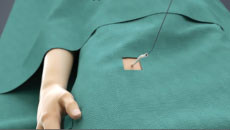
The access point for the WATCHMAN LAAC procedure.

Step 1: Access

Using a standard percutaneous technique, a guidewire and vessel dilator are inserted into the femoral vein.

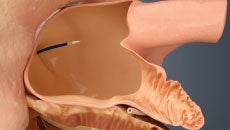
The heart shows how the interatrial septum is crossed with a standard transseptal access system.

Step 2: Cross

The implant procedure is performed with fluoroscopy and transesophageal echocardiography (TEE). The interatrial septum is crossed using a standard transseptal access system.

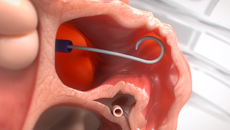
The access sheath advances to the left atrium and towards the LAA.

Step 3: Advance

The access sheath is advanced over the guidewire into the left atrium and then navigated into the distal portion of the LAA over a pigtail catheter.

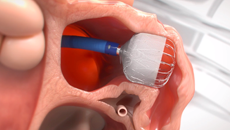
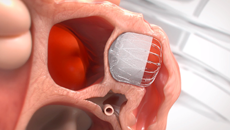
The WATCHMAN FLX Pro is deployed and released in the LAA.

Step 4: Deploy

WATCHMANTM FLX Pro is then deployed and released in the LAA.

The heart tissue grows over the WATCHMAN Implant.

Step 5: Heal

Heart tissue grows over the WATCHMANTM Implant and the LAA is permanently sealed.

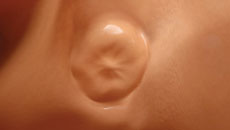
The WATCHMAN Implant is fully endothelialized.

Step 6: Protect

The implant is fully endothelialized.

Flexibility to choose the appropriate post-implant drug regimen

The WATCHMANTM Implant provides the flexibility to select the ideal drug regimen that is best for your patient with clinical outcomes that support safety and efficacy in preventing thrombosis and consequent stroke.

As always, you should exercise clinical judgment based on individual patient characteristics in determining the most appropriate use of anti-thrombotic drugs for the post-implant medication regimen.

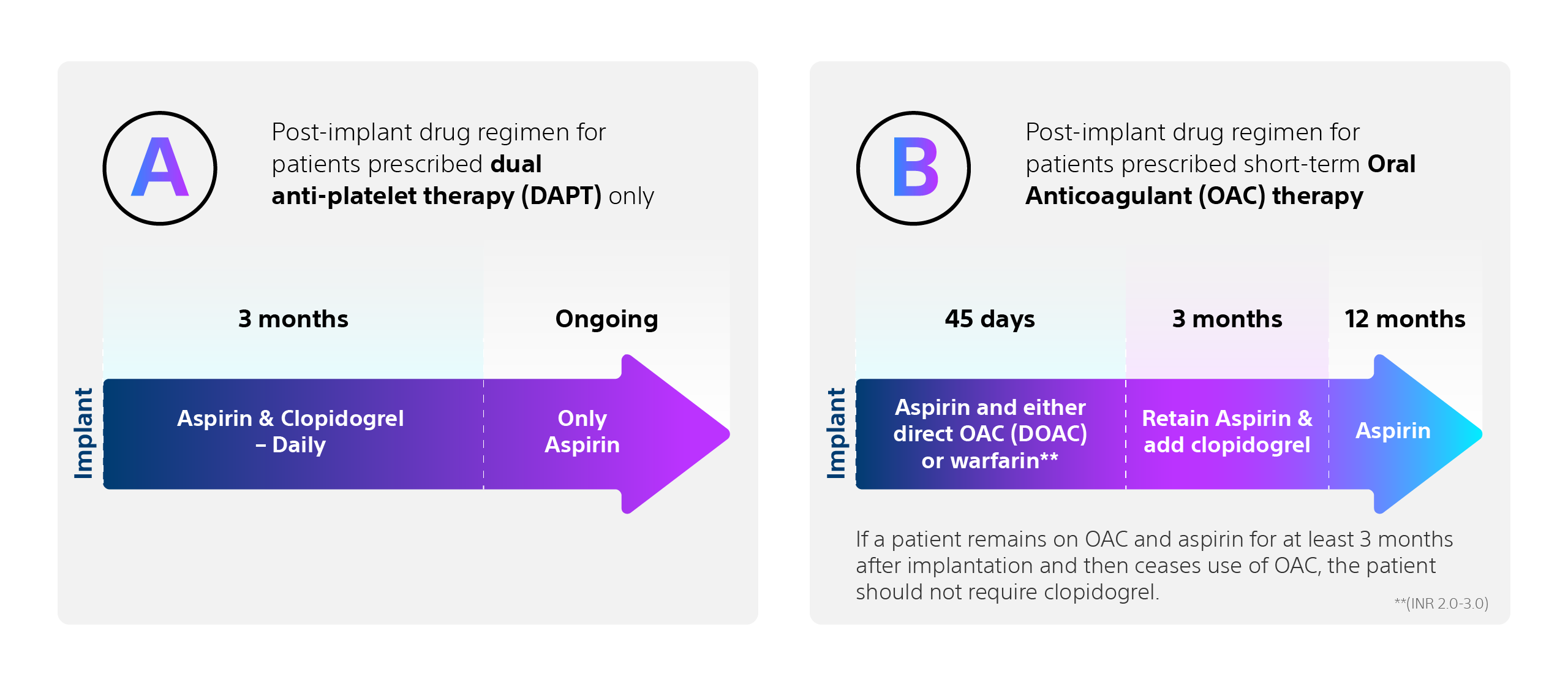
Post-implant drug regimen options

Options A & B below are indicative post implant drug regimes for patients that underwent LAA Closure. The final decision of medical treatment should only be based on physician assessment of individual patient characteristics such as bleeding risk, stroke risk and patient preference.


2 common drug regimes options for patients that underwent LAAC.

NOTE: If thrombus is observed on the device, use of anticoagulation is at physician discretion.

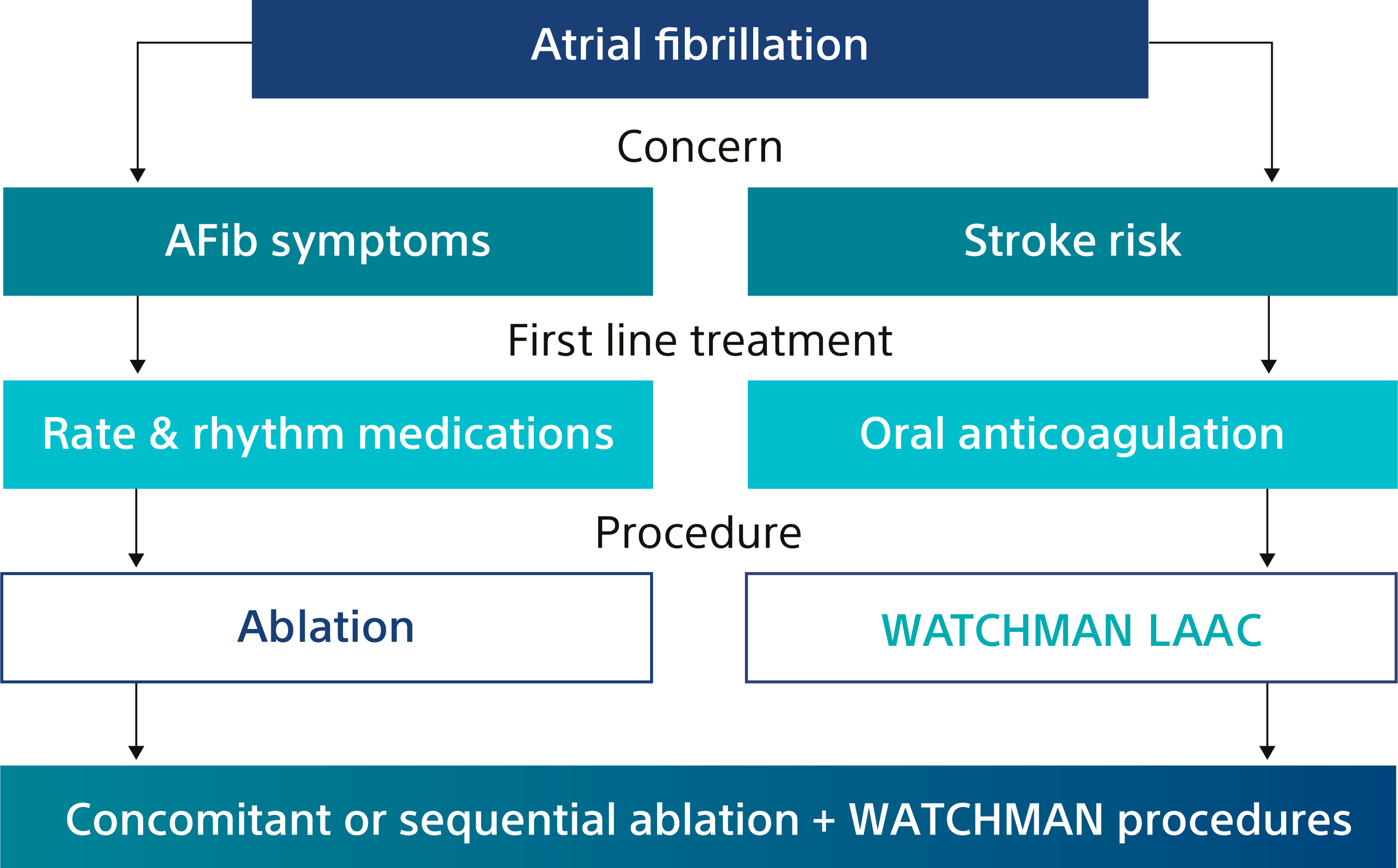
Concomitant AFib ablation and WATCHMANTM Implant procedures

Performing an AFib ablation and implanting a WATCHMANTM Left Atrial Appendage Closure (LAAC) Device in a single procedure offers a comprehensive solution for addressing atrial fibrillation (AFib) progression, rhythm control, and stroke risk reduction. This approach not only enhances patient satisfaction by alleviating concerns associated with AFib but also allows patients to avoid multiple procedures and potentially discontinue oral anticoagulation (OAC) therapy earlier.

Comparing ablation vs. LAA Closure treatment options

AFib ablation and LAAC can offer complementary roles in managing AFib. For patients needing rhythm control and/or freedom from oral anticoagulants (OACs), these procedures may provide a comprehensive treatment strategy.

AFib ablation

Address AFib symptoms and achieve rhythm control with multiple ablation modalities, including:

A gradient cryoballoon in a black circle.
Thermal ablation

Uses extreme heat or cold to create scar tissue and blocks errant electrical signals. This modality may inadvertently affect adjacent tissues.

A gradient PFA device in a black circle.
Pulsed field ablation (PFA)

Utilizes rapid energy pulses to precisely target arrhythmogenic cardiac areas while minimizing collateral tissue damage.

WATCHMANTM Left Atrial Appendage Closure (LAAC) Implant

A WATCHMAN Device in gradient colors in a black circle.

The WATCHMANᵀᴹ Implant is a minimally invasive, one-time procedure designed to reduce the risk of strokes that originate in the LAA, offering an alternative to long-term oral anticoagulation therapy and eliminating the risk of long-term OAC-related bleeding complications.

The journey to a combined procedure

Understand how the unique WATCHMAN™ LAAC non-invasive procedure reduces stroke risks for AF patients. Explore its updated technology today.
combined-procedure

As clinical trials broaden, AFib patient and treatment indications, clinicians can feel more confident when recommending the WATCHMANTM Implant for stroke protection.

Understand how the unique WATCHMAN™ LAAC non-invasive procedure reduces stroke risks for AF patients. Explore its updated technology today.
measurement
November 2024
Positive OPTION results announced

Data from the OPTION clinical trial revealed that the WATCHMANTM FLX device offers comparable safety and efficacy to OAC in stroke risk reduction for post-ablation patients.3†

April 2025
OPTION sub-analysis published

In a sub-analysis of the OPTION trial, the WATCHMANTM FLX device demonstrated similar efficacy to OACs (95% DOACs), while significantly reducing bleeding risks irrespective of concomitant or sequential LAAC following an ablation, providing an option for patients seeking an alternative to long-term anticoagulation regardless of the timing of LAAC relative to the ablation.4

WATCHMAN procedure options for comprehensive AFib management

For AFib patients suitable for the WATCHMANTM Implant, implanting physicians may suggest one of three procedure options, depending on their eligibility for an AFib ablation and the physician's discretion. Ensure your patients are informed about potential procedure options before their AFib consultation.

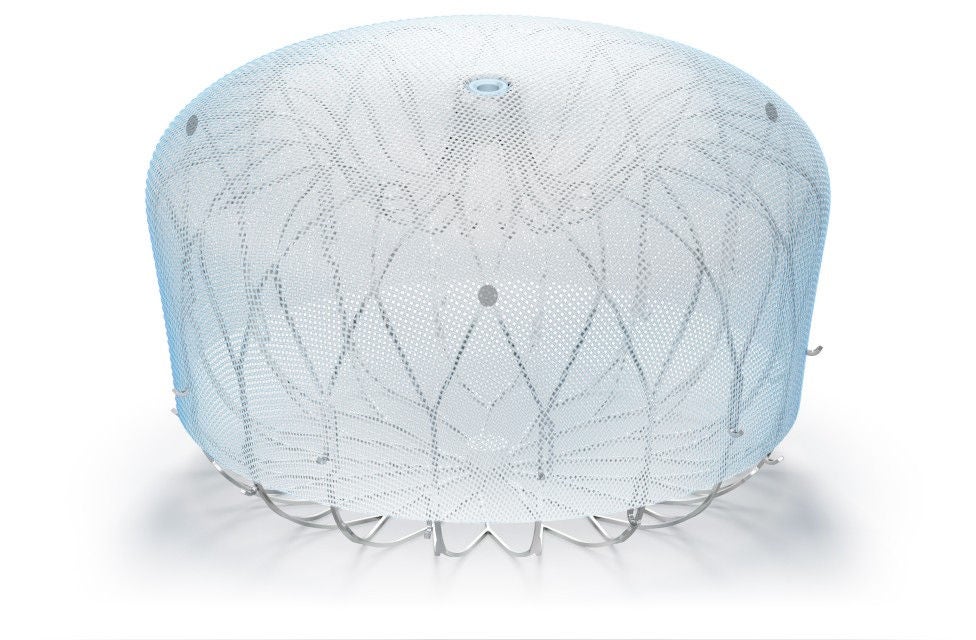
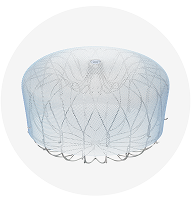
A WATCHMAN FLX Pro LAA Closure device on a grey background

Standalone

A WATCHMANᵀᴹ device is implanted in a single procedure.

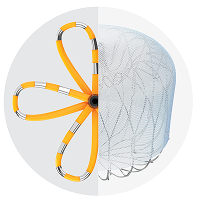
A half WATCHMAN and half FARAPULSE device on a grey background

Concomitant

An AFib ablation is performed, and a WATCHMANᵀᴹ device is implanted in a single procedural event.

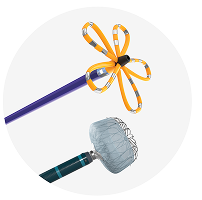
A WATCHMAN and FARAPULSE device on a grey background.

Sequential

An AFib ablation is performed, and a WATCHMANᵀᴹ device is implanted in a later procedure.*

Note: The FARAPULSE PFA System is pictured as representative example for AFib ablation, though any modality may be used.

FARAPULSETM PFA System for ablation

Next to the industry leading WATCHMANᵀᴹ Implant for LAA Closure to reduce the risk of stroke in AFib, Boston Scientific offers the FARAPULSEᵀᴹ Pulsed Field Ablation (PFA) System to address AFib rhythm control.

The FARAPULSEᵀᴹ Pulsed Field Ablation (PFA) System is a next-generation ablation technology, that generates high amplitude electric pulses to achieve PVI and has now been used to treat >200,000 patients worldwide.⁵ What sets FARAPULSEᵀᴹ PFA apart from thermal ablation methods is a new level of tissue specificity that:

  • Minimises the risk of collateral damage to adjacent structures.⁶,⁷
  • Offers high freedom from arrhythmia recurrence and minimal arrhythmia burden post-ablation.⁶,⁸,⁹
  • Improves the durability of pulmonary vein isolation.¹⁰
  • In addition, many patients experience minimal procedural pain and fast recovery times.¹¹

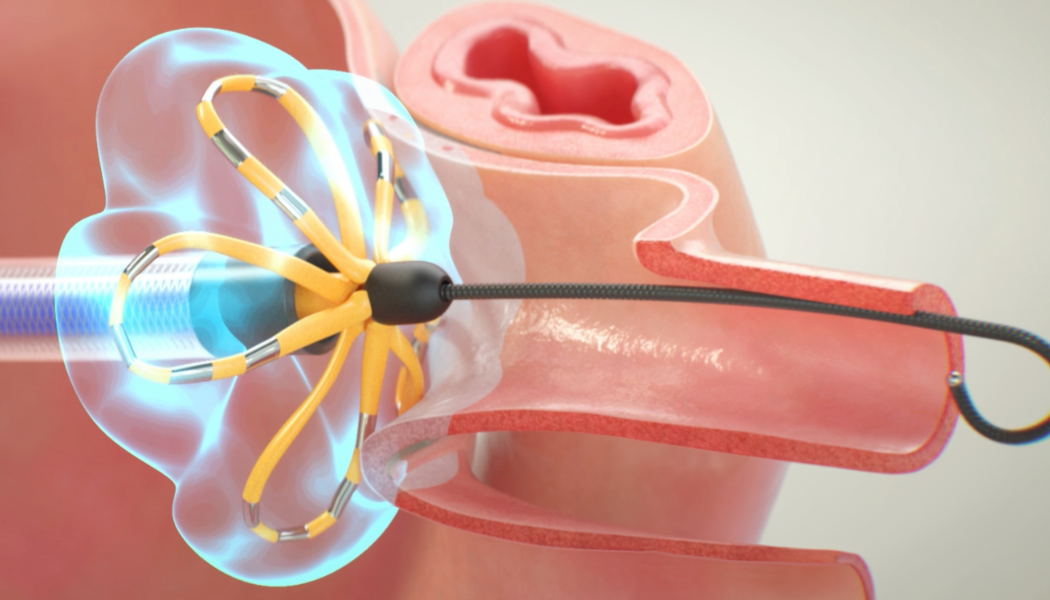
The FARAPULSEᵀᴹ PFA System features an innovative catheter design that takes a basket or flower-shape to adapt to the anatomy of the pulmonary veins to help ensure complete and effective ablation.

farpulse animation

FARAPULSEᵀᴹ PFA is backed by over 10 years of research, including 55 clinical trials and more than 150 scientific publications to date.¹² One pivotal randomised controlled trial, published in the New England Journal of Medicine, found that paroxysmal AF patients treated with FARAPULSEᵀᴹ PFA showed a 73.3% treatment success rate at one year, with antiarrhythmic medication discontinued after the three-month blanking period.⁶ A more recently published study has shown comparable outcomes in persistent AF patients, with a primary effectiveness event-free rate at 12 months of 73.4% with FARAPULSEᵀᴹ.⁹

Note: The FARAPULSE PFA System is pictured as representative example for AFib ablation, though any modality may be used.

*In the OPTION trial, sequential LAAC was a minimum of 90 days (as a protocol-driven blanking period) and less than 6 months post-AF ablation.

†Thermal AFib ablation only.

References

1. Blackshear JL., Odell JA. Annals of Thoracic Surg. 1996; 61: 755-759.

2. FY25 IPPS Final Rule

3. Wazni O, et al. Randomized Comparison of Left Atrial Appendage Closure with Oral Anticoagulation After Catheter Ablation for Atrial Fibrillation. Late Breaking Clinical Trial, American Heart Association 2024.

4. Saliba W, et al. Comparison of Left Atrial Appendage Closure and Oral Anticoagulation after Catheter Ablation for Atrial Fibrillation Concomitant and Sequential Cohorts of the OPTION Randomized Controlled Trial. Late Breaking Clinical Trial, AF Symposium 2025

5. BSC data on file. 2025

6. Reddy VY, Gerstenfeld EP, et al; ADVENT Investigators. Pulsed Field or Conventional Thermal Ablation for Paroxysmal Atrial Fibrillation. N Engl J Med. 2023;389(18):1660-1671. doi: 10.1056/NEJMoa2307291.

7. Ekanem, E, Neuzil, P, Reichlin, T et al. Safety of pulsed field ablation in more than 17,000 patients with atrial fibrillation in the MANIFEST-17K study. Nat Med. 2024;30(7):2020-2029 doi.org/10.1038/s41591-024-03114-3

8. Reddy VY, Mansour M, Calkins H. Pulsed Field vs Conventional Thermal Ablation for Paroxysmal Atrial Fibrillation: Recurrent Atrial Arrhythmia Burden. J Am Coll.Cardiol. 2024 Jul 2;84(1):61-74. doi: 10.1016/j.jacc.2024.05.001.

9. Reddy VY, Gerstenfield EP, Schmidt B, et al. Pulsed Field Ablation of Persistent Atrial Fibrillation With Continuous ECG Monitoring Follow-Up: ADVANTAGE AF-Phase 2. Circulation. Published online April 2025. doi:10.1161/CIRCULATIONAHA.125.074485

10. Della Rocca DG, Marcon L, Magnocavallo M, et al. Pulsed electric field, cryoballoon, and radiofrequency for paroxysmal atrial fibrillation ablation: A propensity scorematched comparison. Europace. 2023;26(1):euae016.

11. Füting A, Neven K, Howel D et al. Patient discomfort following pulsed field ablation for paroxysmal atrial fibrillation – an assessment of chest and groin pain using the Numeric Rating Scale. Clin Res Cardiol (2021). 10.1007/s00392-021-01933-9

12. FARAPULSE Clinical Compendium

CAUTION: The law restricts these devices to sale by or on the order of a physician. Indications, contraindications, warnings, and instructions for use can be found in the product labelling supplied with each device. Products shown for INFORMATION purposes only and may not be approved or for sale in certain countries. This material not intended for use in France.